

You take an OTC pain pill. Ten minutes later, your hands shake. Your heart races.
You feel wired and weird.
Wait. Why?
Because that pill had caffeine in it.
And you didn’t know.
That’s not rare. It’s common. And it’s dangerous when it stacks with your morning coffee, your soda, your energy drink.
I’ve reviewed hundreds of medication safety reports.
Seen the same story over and over: jitteriness, insomnia, panic attacks. All traced back to hidden caffeine.
Most people don’t expect caffeine in their pain relievers. Or cold meds. Or weight loss pills.
But it’s there. And it adds up.
This isn’t theoretical. It’s clinical pharmacology. Grounded in real data, real cases, real side effects.
You’ll learn exactly which medications contain caffeine. Why it’s even added (spoiler: it’s not always necessary). How much is actually in each dose.
And how to spot it before you take it.
No jargon. No fluff. Just clear answers.
What Medicine Contains Caffeine Shmgmedicine. That’s what this is about.
I’ll show you how to avoid the surprise. How to read labels like a pharmacist. And how to protect yourself or someone you care for.
This isn’t about cutting caffeine out.
It’s about knowing what’s in your medicine (before) it’s in your bloodstream.
Why Caffeine Shows Up in Your Pain Pills
I’ve stared at that tiny “caffeine” line on the ingredient list more times than I care to admit.
It’s not there for a buzz. It’s not there to wake you up. It’s doing real work.
Even if it’s not the star.
Caffeine is an adjuvant analgesic. That means it helps other painkillers hit harder. Not magic (just) science.
It boosts how your brain processes acetaminophen or aspirin. Especially for migraines.
You’ve seen this combo before: acetaminophen + aspirin + caffeine. That’s not random. It’s a migraine trio.
The caffeine tightens swollen blood vessels in your head (vasoconstriction). Less dilation = less pounding.
Then there’s pseudoephedrine + caffeine decongestants. Caffeine doesn’t clear your nose. But it sharpens the decongestant’s effect.
And it offsets the drowsiness from other ingredients. No, it’s not giving you energy. It’s balancing chemistry.
People assume caffeine = alertness. Wrong. In these meds, it’s a precision tool.
Never the main act.
What Medicine Contains Caffeine Shmgmedicine? Shmgmedicine breaks down exactly which OTC and prescription formulas use it. And why each one needs it.
I skip caffeine-free versions unless my doctor says otherwise. They just don’t move the needle the same way.
Some pills feel like they’re working before you even swallow them. That’s caffeine doing its job. Slowly, reliably, behind the scenes.
OTC Pain Pills With Hidden Caffeine
I’ve pulled caffeine out of my routine. Then I read the Drug Facts panel on a bottle of Excedrin Migraine.
It had 65 mg per caplet. That’s two-thirds of a cup of coffee (and) most people take two.
Anacin? 32 mg per tablet. Goody’s Powder? 33 mg per dose. BC Headache Powder? 65 mg.
Midol Extended Relief? 60 mg. Nurofen Plus (available in some regions) has 125 mg. More than a tall Starbucks drip.
You’re not drinking coffee. You’re swallowing it with your headache.
That’s why “What Medicine Contains Caffeine Shmgmedicine” is a question I get every week.
Look for red flags on the box: extra strength, rapid relief, migraine formula. Those aren’t marketing fluff. They’re caffeine alerts.
And don’t assume store brands are safer. Walgreens, CVS, and Rite Aid versions often copy the exact same formula. Caffeine and all.
I checked three generic migraine powders last month. All had 65 mg. Same as Excedrin.
Your body doesn’t care if it’s branded or generic. It cares how much caffeine hits your system before noon.
Tea has ~47 mg. Coffee averages 95 mg. So two Excedrin caplets = one strong coffee.
Add a latte? You’re jittery by 10 a.m. and wired at midnight.
I covered this topic over in Important Facts About Medicine Shmgmedicine.
Read the Drug Facts panel. Every time. Not the front label.
Not the slogan.
The small print tells the truth. The big print sells the lie.
Hidden Caffeine in Your Prescription Bottle
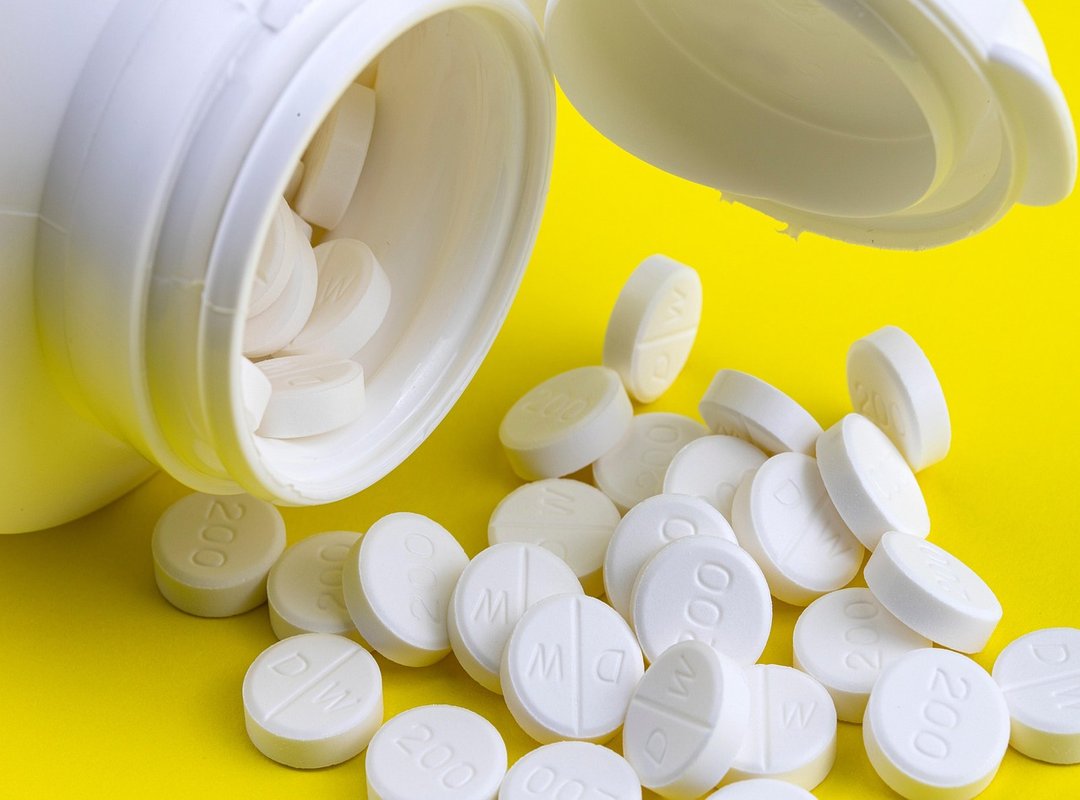
I found caffeine in my migraine script. Not in the coffee I drank with it (in) the pill itself.
Sumatriptan/naproxen/caffeine combos are real. And they’re not rare. You get a triptan, an NSAID, and caffeine.
All packed into one tablet.
Why add caffeine? It speeds up absorption. Lets doctors use lower doses of stronger drugs.
Sounds smart. Until you’re wired at 2 a.m. and didn’t sign up for that.
Compounded pain formulas are worse. No FDA oversight. One pharmacy’s “low-dose opioid blend” might have 100 mg caffeine.
Another’s version? Zero. Or 200 mg.
You won’t know unless you ask. Or read the formulation sheet.
I called three compounding pharmacies last month. Two couldn’t tell me the caffeine content without pulling the batch record. One said, “We don’t list it unless requested.” (That’s wild.)
If you have anxiety, heart palpitations, GERD, or trouble sleeping. Caffeine hiding in your meds can make all of it worse. Fast.
You should always ask: What Medicine Contains Caffeine Shmgmedicine? And check the full ingredient list (not) just the brand name.
For more on how hidden ingredients show up in everyday prescriptions, see the Important Facts About Medicine Shmgmedicine page.
Don’t assume your doctor knows what’s in the compounded version. You do the asking. Every time.
How to Avoid Unintended Caffeine Overload
I’ve woken up at 3 a.m. wired after taking what I thought was just a headache pill. Turns out it had 65 mg of caffeine. In one tablet.
Always read the Active Ingredients section. Not the front label. Not the ad copy.
The tiny-print box on the back. Marketing lies. Ingredients don’t.
Cross-check everything you ingest in a day. That latte? 150 mg. Two Excedrin Migraine? 130 mg.
Chocolate bar? 20 mg. Gum? 40 mg. Add them up.
Stop guessing.
The FDA’s DailyMed database is free. So are pill identifier tools. Use them when the label’s blurry or missing.
Or when your pharmacist looks tired and you’re not sure they heard you right.
Healthy adults should stay under 400 mg/day. Sensitive people? Aim for 200 mg (or) less.
One energy drink plus two pain relievers can push you over fast.
Switch to caffeine-free migraine meds. Ibuprofen-only. Acetaminophen-only.
Ask your pharmacist: “Do you carry versions without caffeine?” They usually do. Just ask.
Don’t take caffeine pills or meds within 6 hours of bedtime. And never stack them with ADHD meds like Adderall or Ritalin. Your heart will notice.
You’re not imagining the jitters. You’re not “just stressed.” You’re getting dosed (and) you didn’t sign up for it.
this article? That page helps you spot sedating meds (so) you don’t accidentally cancel them out with caffeine.
What Medicine Contains Caffeine Shmgmedicine? Start there. Then read the label.
Caffeine Is Hiding in Your Medicine Cabinet
I’ve seen people get jittery, anxious, or sleepless. And blame coffee.
They never check the bottle in their hand.
Caffeine shows up in pain relievers. Migraine meds. Even some “just for headaches” pills.
It’s not a surprise. It’s on the label. Every time.
You just have to look.
What Medicine Contains Caffeine Shmgmedicine. That’s the question you should be asking before you swallow.
Grab one OTC pain or migraine product you use right now. Flip it over. Find the Drug Facts panel.
Look under Active Ingredients. Not “other stuff.” Not “inactive.” Active.
That’s where caffeine lives. And that’s where your total daily intake starts.
Did you hit 400 mg yesterday? 600? Without knowing?
Caffeine doesn’t belong in your medicine cabinet unless you put it there (intentionally.)
 Stephen Tepperonic is the kind of writer who genuinely cannot publish something without checking it twice. Maybe three times. They came to fitness tips and routines through years of hands-on work rather than theory, which means the things they writes about — Fitness Tips and Routines, Health and Wellness News, Mental Health Resources, among other areas — are things they has actually tested, questioned, and revised opinions on more than once.
That shows in the work. Stephen's pieces tend to go a level deeper than most. Not in a way that becomes unreadable, but in a way that makes you realize you'd been missing something important. They has a habit of finding the detail that everybody else glosses over and making it the center of the story — which sounds simple, but takes a rare combination of curiosity and patience to pull off consistently. The writing never feels rushed. It feels like someone who sat with the subject long enough to actually understand it.
Outside of specific topics, what Stephen cares about most is whether the reader walks away with something useful. Not impressed. Not entertained. Useful. That's a harder bar to clear than it sounds, and they clears it more often than not — which is why readers tend to remember Stephen's articles long after they've forgotten the headline.
Stephen Tepperonic is the kind of writer who genuinely cannot publish something without checking it twice. Maybe three times. They came to fitness tips and routines through years of hands-on work rather than theory, which means the things they writes about — Fitness Tips and Routines, Health and Wellness News, Mental Health Resources, among other areas — are things they has actually tested, questioned, and revised opinions on more than once.
That shows in the work. Stephen's pieces tend to go a level deeper than most. Not in a way that becomes unreadable, but in a way that makes you realize you'd been missing something important. They has a habit of finding the detail that everybody else glosses over and making it the center of the story — which sounds simple, but takes a rare combination of curiosity and patience to pull off consistently. The writing never feels rushed. It feels like someone who sat with the subject long enough to actually understand it.
Outside of specific topics, what Stephen cares about most is whether the reader walks away with something useful. Not impressed. Not entertained. Useful. That's a harder bar to clear than it sounds, and they clears it more often than not — which is why readers tend to remember Stephen's articles long after they've forgotten the headline.