
Smarter, Smaller, More Powerful
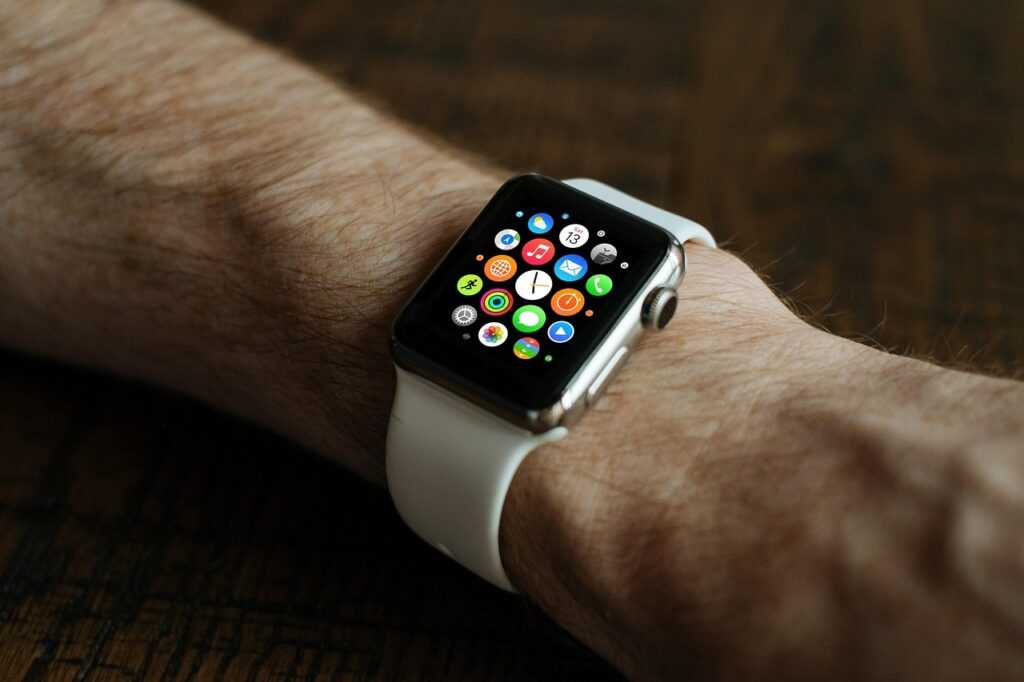
The wearables of 2024 aren’t just slimmer they’re sharper. Advances in sensor miniaturization mean devices can pack more punch into less space. That smart ring on your finger? It’s now a running lab. Wristbands can monitor your heart, stress levels, and even hydration in real time no wires, no waiting.
It’s no longer about strapping a device to your wrist and calling it a day. Health tech is going invisible. Sensors are stitched into clothes, layered into skin friendly patches, and molded into jewelry you’d actually want to wear. Seamless matters because wearables only work when people stick with them. If tracking feels effortless, it becomes part of the routine just like checking your phone.
This shift isn’t just cosmetic. Better design unlocks better data. More frequent tracking, real world readings, and natural movement patterns lead to insights that actually mean something. The line between lifestyle accessory and medical tool keeps getting thinner.
AI Powered Insights Are Going Mainstream
Collecting health data used to be the end goal now it’s just step one. The true shift in wearable tech is how artificial intelligence is turning raw numbers into actions that matter. Machine learning models are being trained on massive user datasets, making sense of everything from heart rhythms to glucose levels faster than ever before.
That means smartwatches and rings aren’t just counting steps anymore they’re predicting health events. Real time continuous glucose monitoring isn’t just for diabetics now; it’s helping athletes and wellness focused users optimize energy levels. Heart rate variability and rhythm data fuel early warning systems that quietly flag cardiac irregularities. And when it comes to sleep, AI crunches movement, temperature, and respiratory data to offer personalized suggestions the kind of nuanced guidance that beats a generic “get more rest.”
The advantage? Less guesswork. Instead of a fitness tracker tossing out vague advice, users now get tailored insights they can actually use. It’s less about data dumps and more about subtle coaching. The era of one size fits all fitness suggestions is closing fast.
Mental Health Tracking on the Rise
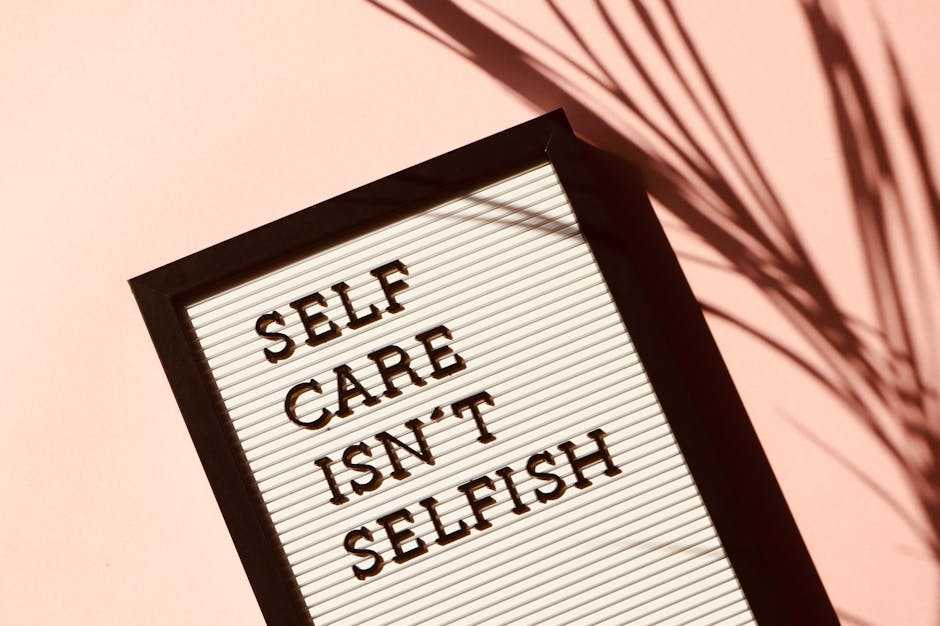
Mental health tech isn’t just in your app store anymore it’s wrapped around your wrist, clipped to your shirt, or built into a discreet ring. Today’s wearables are tracking more than steps and sleep. They’re picking up on stress fluctuations, mood shifts, and recovery indicators through things like heart rate variability, skin temperature, and user driven journaling. The result? A more complete picture of how you’re really doing even when you think you’re fine.
The shift isn’t just about monitoring; it’s about doing something with the data. Many devices now include native features like guided breathing exercises, mood logging prompts, and even short form mindfulness sessions you can knock out while waiting in line. It’s self care, baked into the tech.
The implications stretch beyond individual users. Preventive mental health is poised for a big leap, with wearables playing a central role. Instead of reacting to burnout or anxiety collapses, people can now detect early warning signs and intervene faster. It’s tech that nudges you toward better habits without the dramatic disruption. For creators, professionals, and anyone maxed out by modern life, that kind of gentle course correction could be game changing.
Environmental Awareness Meets Personal Health
As climate change and environmental hazards increasingly affect public health, wearables are evolving to track more than just your heartbeat or sleep patterns. They’re now frontline tools for monitoring the world around you.
Real Time Environmental Monitoring
Modern wearable devices are equipped with sensors that can detect:
Air quality: Measuring pollutants like PM2.5 and volatile organic compounds (VOCs)
UV index: Alerting users to potential sun exposure risks
Temperature variations: Tracking exposure to heat, cold, or sudden environmental shifts
These features give users the tools to minimize exposure to harmful conditions.
Why This Matters Now
The growing demand for environmental tracking is directly tied to the rising awareness of how climate influences health. From worsening air pollution to increased UV radiation, the external world now plays a bigger role in personal wellness.
Heatwaves, pollution spikes, and allergens are on the rise
Vulnerable populations children, seniors, individuals with asthma need proactive alerts
Data driven decisions can help prevent long term health issues
Learn more about the climate health connection
From Wearables to Warning Systems
Wearables are no longer passive trackers. They’re becoming active alert systems for high risk environments:
Real time warnings in areas with poor air quality
Smart notifications when UV exposure hits unsafe levels
Insights tailored to a user’s pre existing conditions or sensitivities
Expect this trend to grow, with more wearables integrating environmental insights to promote not just fitness, but safety and longevity.
Medical Grade Monitoring at Home
Wearable health tech isn’t just about fitness tracking anymore it’s increasingly becoming a critical part of chronic condition management. With FDA cleared devices entering the mainstream, the line between consumer health gadgets and clinical tools is starting to blur.
FDA Cleared Wearables for Real Conditions
More wearables today are gaining regulatory approval to monitor serious health issues, bringing clinically validated support to the user’s wrist, finger, or chest:
Devices are approved to monitor conditions like atrial fibrillation, irregular heartbeat, and sleep apnea
These wearables provide accurate, real time data that is vital for long term management
Users gain better daily awareness without the need for constant in clinic visits
Telehealth Integration in Real Time
A key shift in 2024 is the seamless connection between wearables and healthcare providers via telemedicine platforms:
Devices now sync directly with apps used by remote healthcare teams
Real time alerts can trigger physician outreach or patient action plans
Increasing use of data dashboards to track symptoms and progress over time
Diagnosis Moves to the Home
One of the most impactful trends is how wearables empower users to catch health issues before they become serious:
Early warning signs can be detected from consistent patterns in biometric data
Some devices flag changes that previously required in office testing
Health professionals can now make better decisions based on remotely gathered insights
The result? Diagnosis becomes faster, more personalized, and far more convenient all from the comfort of home.
Looking Ahead
The gap between wearable tech and biotechnology is closing fast. Devices are beginning to move past step counts and heart rates toward deeper, more precise health data. We’re talking about bloodless diagnostics, molecular sensing, and real time internal data tracking all packed into discreet, everyday wearables. These aren’t just gadgets anymore; they’re approaching medical grade territory without the clinic, needle, or lab.
What’s more surprising is who’s getting involved. Major fashion labels are embedding tech in clothing that looks like runway material but acts like a lab on your body. Insurance companies are incentivizing wearables to preempt chronic diseases. Even fitness franchises are launching their own devices to monitor how members move and recover outside the gym walls. The landscape is getting crowded and creative.
With all this sensitive data flying around, ethical use and privacy aren’t negotiable. Users are demanding transparency how their health information is collected, stored, interpreted, and whether it’s being sold. Smart brands are moving early to bake responsible data frameworks directly into their business models. In a space built on trust, getting this part right may matter more than having the flashiest sensor.
 Ask Rebecca Clarkstomes how they got into nutrition and meal planning and you'll probably get a longer answer than you expected. The short version: Rebecca started doing it, got genuinely hooked, and at some point realized they had accumulated enough hard-won knowledge that it would be a waste not to share it. So they started writing.
What makes Rebecca worth reading is that they skips the obvious stuff. Nobody needs another surface-level take on Nutrition and Meal Planning, Fitness Tips and Routines, Health and Wellness News. What readers actually want is the nuance — the part that only becomes clear after you've made a few mistakes and figured out why. That's the territory Rebecca operates in. The writing is direct, occasionally blunt, and always built around what's actually true rather than what sounds good in an article. They has little patience for filler, which means they's pieces tend to be denser with real information than the average post on the same subject.
Rebecca doesn't write to impress anyone. They writes because they has things to say that they genuinely thinks people should hear. That motivation — basic as it sounds — produces something noticeably different from content written for clicks or word count. Readers pick up on it. The comments on Rebecca's work tend to reflect that.
Ask Rebecca Clarkstomes how they got into nutrition and meal planning and you'll probably get a longer answer than you expected. The short version: Rebecca started doing it, got genuinely hooked, and at some point realized they had accumulated enough hard-won knowledge that it would be a waste not to share it. So they started writing.
What makes Rebecca worth reading is that they skips the obvious stuff. Nobody needs another surface-level take on Nutrition and Meal Planning, Fitness Tips and Routines, Health and Wellness News. What readers actually want is the nuance — the part that only becomes clear after you've made a few mistakes and figured out why. That's the territory Rebecca operates in. The writing is direct, occasionally blunt, and always built around what's actually true rather than what sounds good in an article. They has little patience for filler, which means they's pieces tend to be denser with real information than the average post on the same subject.
Rebecca doesn't write to impress anyone. They writes because they has things to say that they genuinely thinks people should hear. That motivation — basic as it sounds — produces something noticeably different from content written for clicks or word count. Readers pick up on it. The comments on Rebecca's work tend to reflect that.