
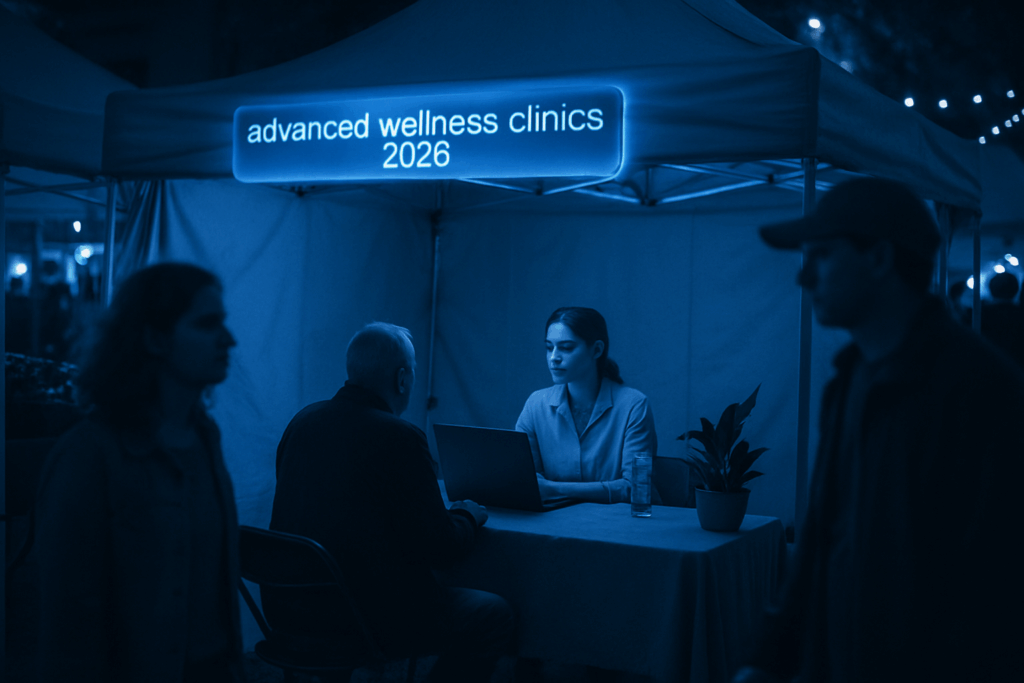
The New Frontier of Anti Aging
Longevity isn’t just a wellness trend it’s evolving into a full blown industry poised to reshape how we think about aging, health, and preventative care. With major funding from investors, tech moguls, and elite health networks, longevity clinics are positioned to become a trillion dollar force in the coming decade.
Why Longevity Is Booming Now
Several intersecting factors are fueling this explosive growth:
Aging Population: Global demographics are shifting. People are living longer, and many want to do so with vitality not just quantity of years.
Tech Convergence: From wearables to AI diagnostics, technology has rapidly advanced the way we measure and manage biological aging.
Preventative Health Mindset: Consumers are increasingly proactive, seeking preventive care rather than waiting for traditional treatments.
Investor Buzz: Leading venture capitalists and tech founders are placing big bets on the “healthspan” economy.
What Longevity Clinics Actually Offer
These clinics market an array of services from everyday health coaching to high tech interventions. Despite the diversity, most share a data driven, personalized approach to care. Common offerings include:
Advanced biomarker testing: Blood panels, inflammation markers, oxidative stress, and hormone levels
Genetic analysis: Identifying predispositions to age related conditions
Tailored supplement protocols: Personalized regimens based on test results
Lifestyle optimization: Nutrition and fitness coaching, sleep analytics, stress management
Cutting edge assessments: Full body MRIs, epigenetic clocks, and AI driven health reporting
These services are often delivered through sleek, concierge style experiences that mirror luxury wellness brands.
Who’s Joining and Why
The typical longevity clinic patient tends to be proactive, health conscious, and financially able to invest in long term well being. However, the crowd is diversifying quickly. Patient motivations span:
High performing professionals looking to maintain energy, focus, and resilience
Aging individuals hoping to reverse or slow biological decline
Biohackers and early adopters testing the limits of science backed techniques
Wellness enthusiasts seeking programs beyond what primary care can offer
As access broadens and awareness grows, longevity clinics are likely to see a more mainstream audience especially as corporate wellness and insurance models begin to intersect with this space.
What These Clinics Promise vs. What They Deliver
Longevity clinics are sprouting up fast, offering a menu of high tech services with the promise of turning back not just pausing the biological clock. The most common treatments? Genetic screenings to map predispositions, hormone optimization to rebalance aging systems, and tailored supplement stacks that claim to fill in nutritional gaps based on your DNA.
But separating science from sales pitch isn’t always easy. Some of these offerings are grounded in legitimate research certain hormone therapies and personalized nutrition can have real impact. Others are in murky territory, with enthusiastic marketing outrunning clinical evidence. Just because a test can tell you something about your genes doesn’t mean the next step in protocol has been proven effective.
There are upsides: a hyper personalized health strategy can catch early risk signs and help optimize performance. But there are also risks including unnecessary treatments, overmedication, or trusting flashy biohacks with little substantiated benefit. The smart move is to approach these clinics with curiosity and caution. Ask for the science, not just the sales deck.
For a deeper examination of the industry’s bold claims and blurry boundaries, check out the full discussion here: Longevity clinics debate.
The Technology Behind the Treatments

Longevity clinics aren’t just handing out vitamin drips and lifestyle advice they’re powered by serious tech. AI driven health tracking is becoming standard. These systems pull together data from wearables, blood work, and lifestyle inputs to spot trends faster than a human could. It’s not just about your step count or sleep hours anymore; it’s about how those patterns relate to inflammation, hormone shifts, or insulin resistance over time. The big pitch? Personalized insights that evolve as your health does.
Next level diagnostics are digging even deeper. Epigenetics specifically methylation clocks are gaining traction. In plain terms, these clocks analyze markers on your DNA to estimate biological age, not just the years on your ID. The idea is straightforward: if your biology says you’re aging more slowly than average, that’s a win. But the science is still evolving, and so are the tools.
Which brings us to the latest trend: using cellular age scores as the new gold standard. Clinics are betting big on these numbers, presenting them as a key metric in health optimization plans. But here’s the catch no one’s fully agreed on what makes a score reliable, or how much it really predicts long term health outcomes. Right now, these metrics are promising, but not gospel. Like most things in this space, they’re a useful tool, not a crystal ball.
For patients and curious minds alike, the takeaway is simple: the machines are getting smarter, but we’re still early in the game. Use the data, but stay skeptical.
The Cost of Living Longer
Let’s be clear longevity clinics aren’t cheap. For entry level services, like biomarker panels or basic consultations, you’re looking at a few hundred dollars per session. But the full experience? That can climb into the tens of thousands a year. A standard membership might include everything from personalized nutrition planning to weekly IV drips, supplement regimens, AI tracked data reviews, and quarterly diagnostics scans. Some clinics even throw in hyperbaric oxygen therapy and access to a full clinical team on call.
Pricing models vary. Some clinics go with a classic monthly membership tiered access, recurring treatments, concierge availability. Others lean into results based pricing tied to measurable benchmarks like reduced inflammation or improved sleep cycles. That approach sounds appealing, but measuring “results” in longevity is still more art than science.
Is this only for the elite? Right now, yes. The average person won’t spend $25K a year optimizing their telomeres. It’s a wellness experience packaged like luxury hospitality: white glove, tech forward, and curated for cash rich biohackers. But early adopters often pave the way for broader access later. As the tools and protocols scale, we may eventually see affordable versions or at least more transparency on what’s actually worth paying for.
Ethics, Hype, and the Reality Check
Let’s cut through the glossy brochures and clean white lab coats: longevity clinics are operating in a gray zone between science and sales pitch. Sure, some of the services like genomic testing or hormone panels have scientific footing. But the promises of reversing aging, or even radically slowing it down, often lean more on hope than hard data. The bigger question isn’t whether these treatments do something, but whether we’re calling the quest for extended youth a medical revolution when it’s still part hustle.
Then comes the data trail. Nearly every procedure, wearable, or digital consultation feeds into massive privacy questions. This isn’t just about anonymous fitness stats it’s about detailed health biometrics, genetic blueprints, and behavioral trends. The rise of AI driven diagnostics only adds pressure, creating risks around consent, storage, and monetization. Users hand over the keys to their biology, often without fully understanding who has access or how that data might be used tomorrow.
It’s no surprise that calls for oversight are getting louder. Regulators, ethicists, and even some industry insiders are pushing for guardrails. Right now, most clinics operate under wellness branding, sidestepping FDA scrutiny. That’s changing. The more these services start to border on direct medical intervention, the harder it gets to label them as lifestyle choices.
You can dig deeper into the ethics and industry friction in this full conversation. For now, the balance between innovation and responsibility is still finding its footing.
What to Watch Moving Forward
Some treatments at longevity clinics show real staying power. Senolytics drugs that clear out “zombie” cells are edging closer to practical use. Metformin, a common diabetes drug, is being explored for its anti aging properties. Peptide therapy and NAD+ boosters are still in the mix, but data is mixed. Then there’s whole genome sequencing and personalized risk mapping useful today, potentially game changing tomorrow. Nothing is a magic bullet, but some arrows point in the right direction.
Now, the red flags. Be cautious of clinics that promise too much, too fast. If you’re offered hormone therapy or stem cell injections without baseline testing or follow up protocols, step back. Watch for fluff science dressed up with buzzwords. If every recommendation happens to be a product they sell, you’re in upsell territory. High prices don’t always mean high standards.
Finding a good clinic means looking for balance: credible staff with medical credentials, personalized plans that evolve with your data, and an ability to say “no” to trends that haven’t proved themselves. Optimism is fine. Blind ambition isn’t. Ask hard questions. Read the data. And if they can’t back it up, walk.
 Stephen Tepperonic is the kind of writer who genuinely cannot publish something without checking it twice. Maybe three times. They came to fitness tips and routines through years of hands-on work rather than theory, which means the things they writes about — Fitness Tips and Routines, Health and Wellness News, Mental Health Resources, among other areas — are things they has actually tested, questioned, and revised opinions on more than once.
That shows in the work. Stephen's pieces tend to go a level deeper than most. Not in a way that becomes unreadable, but in a way that makes you realize you'd been missing something important. They has a habit of finding the detail that everybody else glosses over and making it the center of the story — which sounds simple, but takes a rare combination of curiosity and patience to pull off consistently. The writing never feels rushed. It feels like someone who sat with the subject long enough to actually understand it.
Outside of specific topics, what Stephen cares about most is whether the reader walks away with something useful. Not impressed. Not entertained. Useful. That's a harder bar to clear than it sounds, and they clears it more often than not — which is why readers tend to remember Stephen's articles long after they've forgotten the headline.
Stephen Tepperonic is the kind of writer who genuinely cannot publish something without checking it twice. Maybe three times. They came to fitness tips and routines through years of hands-on work rather than theory, which means the things they writes about — Fitness Tips and Routines, Health and Wellness News, Mental Health Resources, among other areas — are things they has actually tested, questioned, and revised opinions on more than once.
That shows in the work. Stephen's pieces tend to go a level deeper than most. Not in a way that becomes unreadable, but in a way that makes you realize you'd been missing something important. They has a habit of finding the detail that everybody else glosses over and making it the center of the story — which sounds simple, but takes a rare combination of curiosity and patience to pull off consistently. The writing never feels rushed. It feels like someone who sat with the subject long enough to actually understand it.
Outside of specific topics, what Stephen cares about most is whether the reader walks away with something useful. Not impressed. Not entertained. Useful. That's a harder bar to clear than it sounds, and they clears it more often than not — which is why readers tend to remember Stephen's articles long after they've forgotten the headline.