
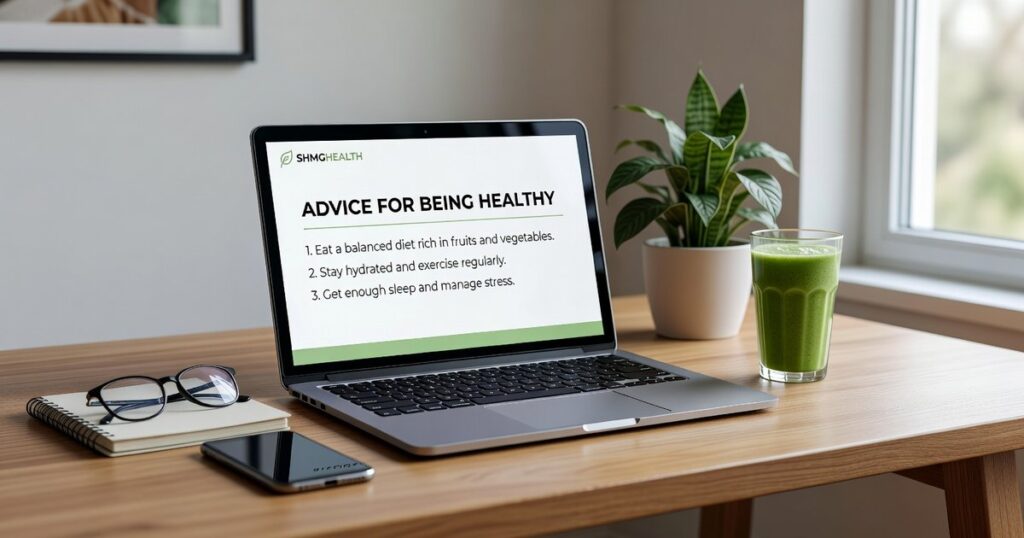
I’ve spent years cutting through health advice that sounds good but doesn’t work in real life.
You’re probably tired of complicated wellness plans that fall apart after a week. Or conflicting advice that leaves you more confused than when you started.
Here’s the truth: good health doesn’t require perfection. It requires a few core habits that actually stick.
SHMG Health exists because most health guidance misses the mark. We focus on what works for people with jobs, families, and lives that don’t revolve around meal prep and gym schedules.
This guide covers the basics that matter. Sleep. Movement. Food. Stress. The things that actually move the needle on how you feel.
We base everything on current research and real-world testing. Not trends that disappear in six months or advice that only works if you have unlimited time and money.
You’ll find simple tips you can start using today. Small changes that add up without turning your life upside down.
No 30-day transformations or miracle solutions. Just practical steps that work when you actually follow them.
Fuel Your Body: The SHMG Approach to Nutrition
I used to think nutrition had to be complicated.
You know the drill. Counting every macro. Weighing food on a scale. Stressing over whether that extra bite of bread would ruin everything.
Then I burned out. Hard.
I remember sitting in my kitchen in Harlingen, staring at my meal prep containers, feeling exhausted before I even started eating. That’s when I realized something had to change.
Here’s what I learned. Nutrition doesn’t need to be perfect. It needs to be sustainable.
Some people will tell you that you need strict meal plans and zero flexibility. They say anything less than 100% clean eating is failure.
But that approach? It’s exactly why most people quit.
The truth is simpler. I follow what I call the 80/20 rule. Eat whole foods about 80% of the time. The other 20%? Live your life.
This isn’t about being lazy with your health. It’s about building something that actually lasts.
Let me show you what works.
The Balanced Plate
Every meal I eat follows a basic template. Half my plate is non-starchy vegetables. A quarter is lean protein. The last quarter is complex carbs.
That’s it. No app needed.
Water Matters More Than You Think
I know you’ve heard this before. But most people walk around dehydrated and wonder why they’re tired all afternoon.
Your metabolism needs water to function (and no, coffee doesn’t count). I keep a bottle on my desk and set reminders on my phone. When plain water gets boring, I toss in some lemon or cucumber.
Eat Like You Mean It
This one changed everything for me. I stopped eating at my desk while scrolling through my phone.
When you eat distracted, you miss your body’s signals. You don’t notice when you’re full. Your digestion suffers.
Now I sit down. I pay attention. I actually taste my food.
It sounds small, but it prevents overeating better than any diet rule I’ve tried.
Look, being healthy with shmghealth isn’t about restriction. It’s about building habits you can maintain for years, not just weeks.
Move with Purpose: Integrating Fitness into Your Life
You don’t need to become Rocky Balboa to get fit.
I see people all the time who think exercise means suffering through workouts they hate. They force themselves to run when they’d rather be doing literally anything else. Then they quit after three weeks and feel like failures.
Here’s what I’ve learned. The best workout is the one you’ll actually do.
Find Your Joyful Movement
Maybe you love dancing in your living room. Or hiking trails on Saturday mornings. Swimming laps clears your head. Team sports make you feel alive again.
It doesn’t matter what it is. What matters is that you want to do it.
I know someone who hated the gym but discovered they loved kickboxing. Another friend can’t stand structured classes but walks for hours listening to podcasts. Both are getting healthier because they found what works for them.
The Three Pillars of Fitness
Look, I’m not going to overcomplicate this.
Your body needs three things. Cardio keeps your heart strong and your lungs working right. Strength training builds muscle and protects your bones (especially as you get older). Flexibility and mobility work keeps you moving without pain.
You need all three. Not every single day, but you need them in your routine.
Most people skip the flexibility part. Then they wonder why their back hurts or they can’t touch their toes anymore.
Embrace Exercise Snacking
Remember when everyone said you needed an hour at the gym to see results?
That was wrong.
Ten minutes here. Fifteen minutes there. These short bursts add up faster than you think. Do some squats while your coffee brews. Take the stairs. Walk around the block after lunch.
Being healthy at shmghealth means finding ways to move that fit your actual life, not some ideal schedule you saw on Instagram.
Prioritize Active Recovery
This part trips people up.
Rest days aren’t lazy days. Your muscles need time to repair. Your mind needs a break. Push too hard and you’ll either burn out or get hurt.
Stretch. Take walks. Sleep enough. Pay attention when your body tells you to slow down.
The goal isn’t to work out every single day until you collapse. The goal is to keep moving for years.
The Power of Rest: Optimizing Your Sleep for Peak Health
You already know sleep matters.
But do you know why it actually works the way it does?
When you sleep, your body isn’t just shutting down. It’s balancing hormones like cortisol and growth hormone. Your brain is clearing out waste proteins (the kind linked to memory problems). Your immune system is building up defenses against whatever you’ll face tomorrow.
Skip sleep and all of that falls apart.
Here’s what actually helps.
Make your bedroom a sleep sanctuary. Keep it cool, around 65-68°F. Get blackout curtains because even small amounts of light mess with melatonin. If noise is an issue, a white noise machine works better than you’d think.
Stop looking at screens 60 minutes before bed. I know that’s tough. But blue light tells your brain it’s daytime, which blocks melatonin production. Your phone can wait.
Keep the same sleep schedule every day. Yes, even weekends. This is the single most important thing you can do for your internal clock. Your body craves consistency.
Some people say they function fine on five hours of sleep. They’ll tell you rest is overrated and that successful people just power through.
But the research doesn’t support that. Study after study shows that chronic sleep deprivation tanks cognitive performance, weakens immunity, and throws your metabolism off balance.
When you’re looking for where to get health advice shmghealth, start with the basics. Sleep isn’t sexy. But it works.
Cultivating Calm: Strategies for Mental and Emotional Resilience
You can’t avoid stress.
I learned this the hard way after spending years trying to create a perfectly calm life. Spoiler alert: it didn’t work.
Here’s what I figured out instead. Stress isn’t the enemy. It’s just your body’s way of telling you something needs attention.
The real question is how you respond to it.
Reframe Your Relationship with Stress
I used to think feeling stressed meant I was doing something wrong. That if I just organized better or planned more, the tension would disappear.
But stress is a signal. Like hunger or thirst. Your body is designed to feel it.
The goal isn’t to eliminate every stressor (you can’t). It’s to change how you react when it shows up. When you stop fighting the feeling and start managing your response, everything shifts.
The 5-Minute Mindfulness Reset
When stress hits, I use box breathing. It sounds simple because it is.
Here’s how it works:
- Breathe in for four counts
- Hold for four counts
- Breathe out for four counts
- Hold for four counts
- Repeat for five minutes
I started doing this back in 2021 when my schedule got overwhelming. After two weeks of daily practice, I noticed I could calm down faster when things got chaotic.
You can do this anywhere. Your desk, your car, even in line at the grocery store (though people might give you looks).
Nurture Your Connections
Research shows that strong social ties directly improve mental health. Not just a little. A lot.
But here’s the catch. You have to actually spend time with people. Texting doesn’t count the same way.
I block out time each week for friends and family. It’s on my calendar like any other appointment. Because if I don’t schedule it, life fills up with everything else and suddenly a month has passed.
Understanding why health is so important shmghealth means recognizing that mental wellbeing depends on real connection.
Start a Gratitude Practice
Every night before bed, I write down three things I’m grateful for.
Some days it’s big stuff. Other days it’s just that my coffee was hot or that I found a parking spot.
After three months of testing this practice, I noticed my default mood improved. I started looking for good things during the day instead of just cataloging what went wrong.
The habit takes maybe two minutes. But it shifts your focus in ways that stick.
Proactive Health: The Importance of Preventive Care
You probably know you should get regular checkups.
But do you actually go?
Most people don’t. They wait until something hurts or breaks before they see a doctor.
Here’s what that costs you.
Know Your Numbers
Your blood pressure, cholesterol, and blood sugar tell a story. These numbers show what’s happening inside your body right now (not what might happen someday).
I check mine twice a year. Takes maybe 30 minutes.
When you know your baseline, you catch problems early. Before they become PROBLEMS.
Be Your Own Health Advocate
Your body sends signals all the time. That weird pain that comes and goes. The fatigue that won’t quit. The thing you keep ignoring because you’re busy.
Stop ignoring it.
Write it down. Tell your doctor. Push for answers if something feels off.
Nobody knows your body better than you do.
Stay Ahead with Screenings
Age-appropriate screenings catch what regular checkups miss. Same with immunizations.
Your doctor can tell you what you need based on your age and risk factors.
Now what? Start with one thing. Book that checkup you’ve been putting off. Get advice for being healthy shmghealth and actually use it.
Then track your numbers somewhere you’ll see them.
Your Blueprint for Lifelong Wellness
You came here looking for a way to feel better without turning your life upside down.
I get it. Most health advice feels like an all-or-nothing game. You’re told to overhaul everything at once or don’t bother trying.
That’s not how real change works.
This guide gives you practical tools you can actually use. No complicated rules or extreme measures.
The approach works because it’s built on small habits that stick. You focus on what matters across all areas of your life and you make progress that lasts.
Here’s what I want you to do: Pick one tip from this guide. Just one.
Commit to it for the next week. See how it feels. Notice what changes.
That’s how you start. Not with a complete transformation but with a single step that makes sense for where you are right now.
Visit shmghealth for more expert-backed wellness strategies that fit into your real life.
You don’t need permission to take care of yourself. You just need to begin. Homepage.