
Get Clear on Your Weekly Schedule
Before you even think about groceries, look at your calendar. Pinpoint the days where you’re slammed late meetings, kid pickups, long commutes and treat those as low effort meal days. This is when your slow cooker or one pan dinners earn their keep. Throw ingredients in, let time do the work, and walk away.
Not every day needs a gourmet attempt. Build your plan with breathing room. Leave at least one night open something will come up, it always does. Order takeout, eat leftovers, or just call it cereal for dinner night. Flexibility is part of the strategy, not a failure.
The goal isn’t perfection. It’s staying sane, fed, and out of the drive thru.
Start With a Simple Framework
When your weeks are slammed, decision fatigue is real. The fix? Strip meal planning down to a few reliable building blocks. Pick 3 to 5 core meals you actually like and rotate them. That could mean tacos on Tuesday, stir fry on Thursdays, or whatever combo keeps stress out of your kitchen.
A basic system helps. One sheet pan dinner, one pasta, one bowl (grain, protein, veg), and one hearty salad each week gives you a solid foundation without overthinking it. You don’t need ten new recipes. You need four that work.
Also: keep a list of go to meals that take 30 minutes or less. Post it somewhere visible. When you’re wiped, that list becomes a lifeline. It’s how you stick to the plan instead of bailing for takeout.
Consistency doesn’t have to be fancy. Just practical.
Shop Your Kitchen First
Before you add anything to your grocery list, check what you already have. Seriously go poke around in your freezer, fridge, and pantry. That forgotten bag of frozen broccoli or half box of pasta might be dinner waiting to happen. Take stock, write it down, and use it as your starting point.
Building meals around what’s on hand does two things: it saves cash and cuts down on food waste. It’s a no brainer. Leftover rice? Turn it into stir fry. Canned beans, a random onion, and some spices? That’s a pantry chili. You don’t need a perfect recipe just a plan that gets yesterday’s food on today’s plate.
This habit might take 10 minutes a week, max. But over time, it saves you dozens of trips to the store and more than a few dollars. Budgeting well starts with using what you’ve already paid for.
Build a Smarter Grocery List

When it comes to budget meal planning, your grocery list is where real savings start. A little strategy goes a long way in helping you stretch your dollars and still eat well.
Focus on Budget Friendly Basics
Start by filling your cart with low cost, versatile staples that can be used across multiple meals:
Rice and beans: Inexpensive, filling, and endlessly customizable
Eggs: Affordable protein for breakfast, lunch, or dinner
Canned fish (like tuna or salmon): Budget friendly and protein packed
In season produce: Cheaper, fresher, and tastier than out of season options
Buy in Bulk (Where It Makes Sense)
Buying larger quantities of certain staples can save you big in the long run if you have the storage space:
Choose bulk grains (brown rice, oats, quinoa) for cost per serving savings
Stock up on proteins (like chicken thighs or ground turkey) when on sale
Freeze portioned meat or pantry stable items to preserve freshness
Stretch Premium Ingredients
Love a premium item here and there? No problem just make it work across multiple meals:
Use a bit of goat cheese in pasta, salads, and flatbreads throughout the week
Cook a roast on Sunday and repurpose it into tacos, sandwiches, or stir fry midweek
Split high cost herbs or sauces between two to three different meals
By shopping strategically and thinking about ingredient efficiency, your grocery list becomes both cost effective and kitchen friendly.
Batch Cooking = Your Time Saving Secret Weapon
If you’re already in the kitchen, make it count. Doubling recipes doesn’t take double the time, but it pays back big. Cook once, portion it out, and freeze half. You’ve just made dinner for this week and next with the same effort.
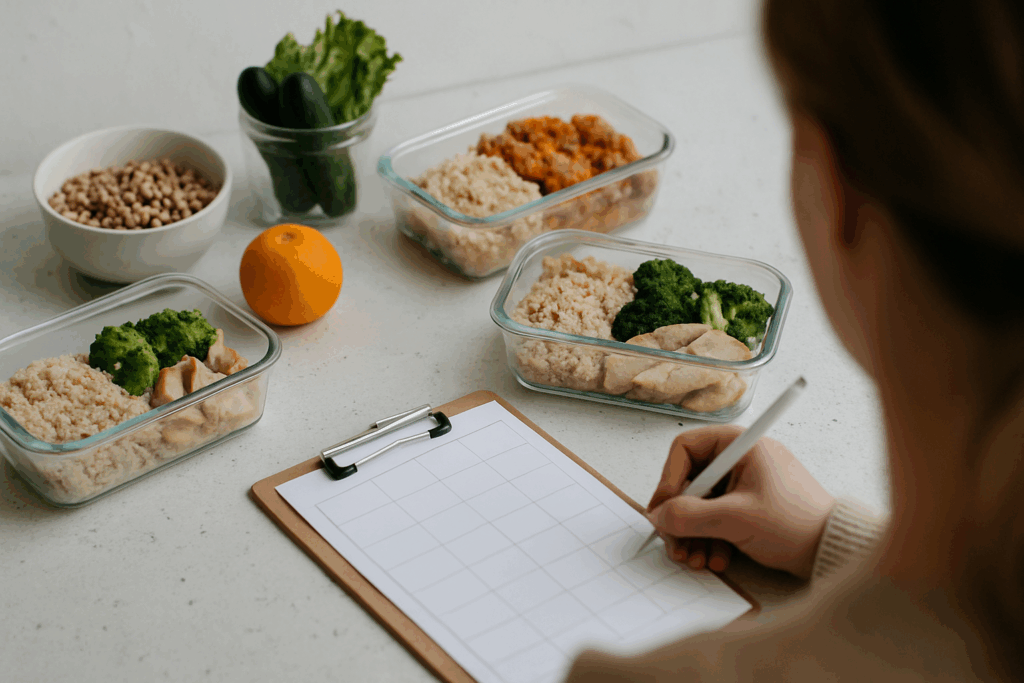
Think beyond full meals batch your base ingredients. Roast a tray of veggies, shred a couple of chicken breasts, boil up a batch of quinoa. Store them separately and mix and match throughout the week. This gives you flexibility and speed throw together bowls, wraps, or salads in minutes.
Batch cooking isn’t glamorous, but it wins. Especially on the nights when your energy is gone but you still want to eat something decent. Done right, it’s like leaving future you a thoughtful gift.
Embrace Leftovers Like a Pro
Leftovers aren’t just scraps they’re ingredients with a head start. The trick is to plan for them, not just deal with them. Make an extra portion with the future in mind. That roasted veggie tray from dinner? Toss it into a hot skillet with a couple of eggs and call it breakfast hash. Leftover chicken or tofu? Drop it into a wrap, grain bowl, or salad for a quick lunch that doesn’t feel like repeat night.
Think of leftovers as your built in meal prep. Cook once, eat again but differently. It’s faster than starting from scratch, and you work smarter, not harder. The win is in the repurposing.
Make Your Plan Stick
Planning only works if you can actually see and stick to it. Whether it’s a whiteboard on the fridge, a grocery app, or a paper planner stuck to the wall, get your plan in plain sight. Out of sight really does mean out of mind.
Next, lock in the habit. Give meal prep a standing spot on your weekly schedule 30 to 60 minutes is enough. Choose a day, stay consistent, and let it become routine. It doesn’t need to be perfect. It needs to happen.
And don’t fall into the trap of thinking good food has to be complicated. Keep it real. Roasted veggies, simple proteins, a few grains you’re not trying to impress a food critic here. You’re trying to get through the week without defaulting to takeout.
For even more practical ideas, check out our in depth budget meal plan tips article. Packed with examples, shopping hacks, and real world tricks to eat well without overspending.