

You took ibuprofen this morning.
And right now, you’re wondering how that little pill actually changes what’s happening inside you.
Not just “it reduces pain.” But how. What does it touch first? Where does it go?
Why does it work for some people and not others?
I’ve seen this question come up in every pharmacology class I’ve taught. Every clinic I’ve worked in.
People don’t want a list of side effects. They want cause and effect. A real map.
This article walks through the actual biological journey (step) by step (from) the moment medicine hits your mouth (or skin or vein) to the final ripple across your organs and cells.
No speculation. No guesswork. Just evidence-based pharmacology.
The kind used in medical schools and hospital protocols.
How Medicine Affects the Body Shmgmedicine isn’t magic. It’s predictable biology.
And if you understand the steps, you stop fearing the unknown.
I’ve reviewed dozens of clinical studies and textbooks to make sure every claim here holds up.
You’ll get clarity. Not jargon.
You’ll see how absorption leads to distribution, how metabolism shapes effect, and why timing matters more than dose sometimes.
This isn’t theory. It’s what happens in your body, right now, if you’re taking anything at all.
Let’s start where the medicine does.
Absorption & Distribution: Where Medicine Enters. And Why Route
I swallow a pill. You inhale a puff. Someone else gets a shot.
Same drug. Totally different outcome.
That’s because route of administration isn’t just logistics (it’s) biology in motion.
Oral meds hit stomach acid first. Aspirin dissolves there fast (good for quick pain relief). But insulin?
Stomach acid chews it up. So it has to be injected (straight) into fat or muscle, bypassing digestion entirely.
IV drugs skip absorption altogether. They’re in your bloodstream immediately. Topical creams?
They seep through skin like water through mesh (slow,) uneven, local.
Capillaries are picky gatekeepers. Some let small molecules slip right in. Others slam the door unless the drug’s got a protein escort.
Plasma protein binding? Think of it as molecular handcuffs. Bound drugs can’t act (they’re) just riding along.
The blood-brain barrier? A bouncer with a strict list. Only certain molecules get past.
That’s why some antidepressants work on mood but not seizures.
Grapefruit juice wrecks CYP3A4 enzymes (the) ones that break down statins and blood pressure pills. Eat half a grapefruit, and suddenly your dose doubles. Not theoretical.
I’ve seen ER notes on it.
This guide explains how Medicine Affects the Body Shmgmedicine. Without the jargon.
Distribution isn’t passive. It’s negotiated. Every time.
Liver Work: When Your Body’s Filter Gets Swamped
I’ve watched people blame themselves for fatigue or brain fog. When really, their liver was just buried in work.
The liver runs two main cleanup shifts. Phase I uses cytochrome P450 enzymes to break down drugs and toxins. Think of it like chopping a log into smaller pieces.
Phase II wraps those pieces in water-soluble tags so your body can flush them out.
Enzymes aren’t static. Some drugs rev them up. Rifampin cranks up CYP3A4.
So warfarin vanishes faster. You bleed. Others slam the brakes.
Fluconazole blocks that same enzyme. Warfarin piles up. You bruise for no reason.
That’s why “standard dose” is a myth for many people.
Genetic differences change everything. If you’re a CYP2C19 poor metabolizer, clopidogrel won’t activate. You’re unprotected from clots.
And nobody told you why.
Elevated ALT? Fatigue? Yellow eyes?
Those aren’t always red flags. Sometimes they’re just your liver catching its breath. But if jaundice sticks around past 48 hours.
Or enzymes double. You call your doctor. Not tomorrow.
Today.
How Medicine Affects the Body Shmgmedicine isn’t theoretical. It’s personal. It’s biochemical.
And it’s not one-size-fits-all.
Pro tip: Never assume your reaction is “just stress.” Track meds, symptoms, and timing. Patterns show up fast.
Your liver doesn’t post status updates. You have to listen.
How Drugs Really Work: Locks, Scissors, and Leaky Pumps
I used to think drugs were magic bullets. They’re not. They’re keys, scissors, or sticky gum.
Agonists turn receptors on. Like a key turning a lock. Antagonists jam the lock.
Like gum in the keyhole. Simple. Messy in practice.
Beta-blockers? They block adrenaline receptors. Heart rate drops.
Blood pressure eases. That’s it. No mystery.
ACE inhibitors cut up angiotensin-converting enzyme. Less angiotensin II means relaxed blood vessels. Lower pressure.
Done.
Digoxin grabs the sodium-potassium pump. Heart contractions get stronger. But it’s narrow (too) much and you’re nauseous or worse.
Off-target effects? Antihistamines cross the blood-brain barrier. They hit H1 receptors in your brain (not) just your nose.
That’s why you get drowsy. Not side effect. Direct effect.
Valproic acid does something quieter. It blocks histone deacetylase. Gene expression shifts.
Not just symptom control. It changes how cells read DNA.
This is why How Important Is isn’t just about dosing.
It’s about where the drug lands. And where it doesn’t.
Most people don’t know their beta-blocker also tweaks potassium channels. I didn’t either. Until my patient’s potassium spiked.
Check electrolytes. Always.
Receptors aren’t passive.
They wiggle. They internalize. They adapt.
Drugs don’t just bind. They provoke.
Long-Term Changes: Your Body Fights Back
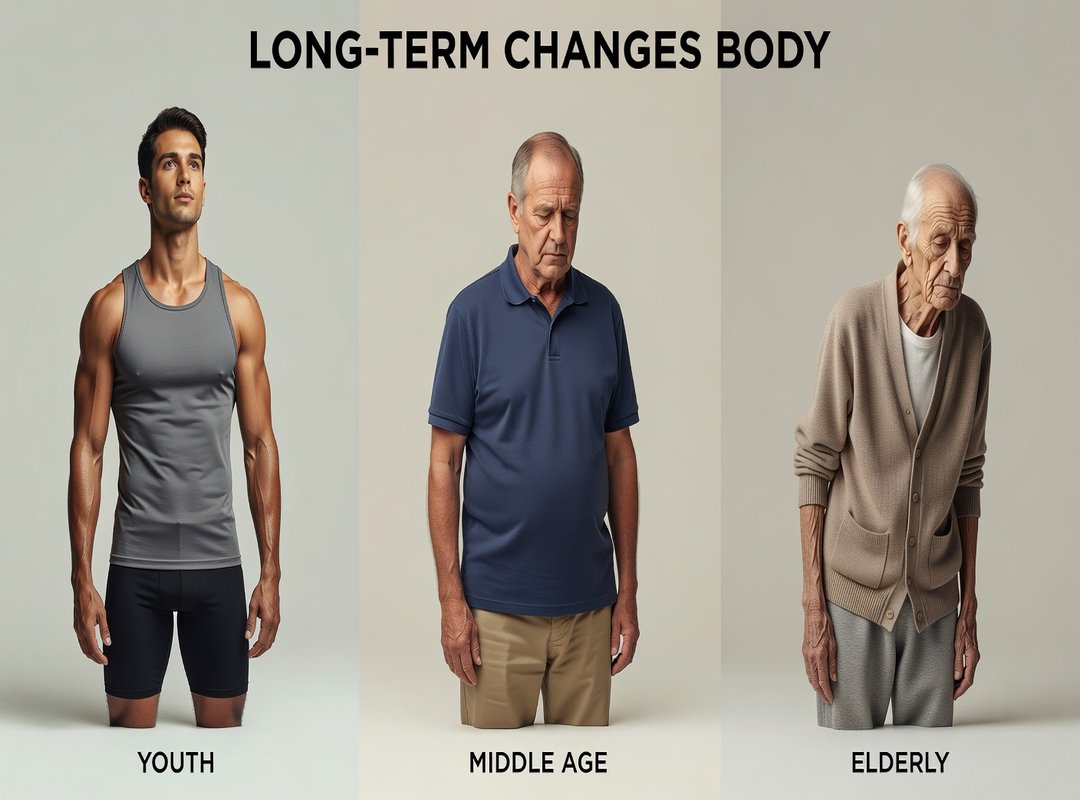
I’ve watched patients stop clonidine cold turkey and spike to 210/110. Their bodies had rewired. Neurons stopped making their own norepinephrine because the drug was doing it for them.
That’s physiological tolerance. Not habit. Not weakness.
Just biology adjusting.
Opioids downregulate mu receptors. Benzodiazepines blunt GABA response over time. Same outcome: you need more to feel the same thing.
Psychological dependence is different. It’s the dread of withdrawal. Not just physical symptoms, but the fear that you can’t cope without it.
Long-term PPI use? Gastric atrophy happens. Stomach lining thins.
Acid production drops too much. You’re not just treating reflux (you’re) changing organ structure.
Chronic corticosteroids suppress your adrenals. They forget how to make cortisol. Stop too fast?
You crash. Fatigue, nausea, hypotension (not) laziness. Adrenal insufficiency.
And don’t believe the “natural = safe” myth. Chronic NSAIDs silently damage kidney microvasculature. No pain doesn’t mean no harm.
How Medicine Affects the Body Shmgmedicine isn’t about intent. It’s about exposure time and biological consequence.
I covered this topic over in Important Facts About Medicine Shmgmedicine.
Rebound isn’t drama. It’s physiology screaming back.
Taper slowly. Always.
Why Your Body Treats Drugs Like a Stranger
Kids process drugs differently. Their liver enzymes (especially) CYP ones (are) still learning the job. So a dose safe for an adult might overwhelm a child.
I’ve seen it. A standard ADHD med caused jitteriness in a 7-year-old because his body couldn’t break it down fast enough.
Older adults? Kidneys slow down. Muscle mass drops.
Fat increases. That changes how drugs move and stick around. You give the same pill to a 30-year-old and an 80-year-old.
And it hits harder, lasts longer, or lands in the wrong place.
Then there’s your gut. Eggerthella lenta lives in some people’s intestines. It chews up digoxin before it even gets absorbed. Take antibiotics?
You wipe out that bug (and) suddenly digoxin surges. Toxicity spikes. No warning label mentions this.
Heart failure? Less blood flow to kidneys → slower drug clearance → lower doses needed. Cirrhosis?
Less liver metabolism → drugs linger → start low, go slow. CKD? Toxins build up → many meds accumulate → skip or slash doses.
Pregnancy? More blood volume. Less protein binding.
Faster kidney filtration. Drugs dilute, float free, flush out faster. Dosing gets weird.
Fast.
This is why “How Medicine Affects the Body Shmgmedicine” isn’t theoretical. It’s personal. It’s practical.
You Already Know More Than You Think
I’ve walked you through How Medicine Affects the Body Shmgmedicine. Not as a textbook list, but as five real stages your body lives through: absorption, distribution, metabolism, cellular action, long-term adaptation.
You don’t need universal answers. Your body right now is what matters.
That “why does this make me dizzy today” question? That’s the right one.
Most people wait for side effects to pile up before they ask anything.
Don’t wait.
Pick one medication you take right now. Run it through those five stages. Write down just one question for your pharmacist or prescriber.
Do it before your next visit.
You’re not guessing anymore.
You’re listening.
Your body isn’t a passive vessel (it’s) an active participant. Know its language.
 Stephen Tepperonic is the kind of writer who genuinely cannot publish something without checking it twice. Maybe three times. They came to fitness tips and routines through years of hands-on work rather than theory, which means the things they writes about — Fitness Tips and Routines, Health and Wellness News, Mental Health Resources, among other areas — are things they has actually tested, questioned, and revised opinions on more than once.
That shows in the work. Stephen's pieces tend to go a level deeper than most. Not in a way that becomes unreadable, but in a way that makes you realize you'd been missing something important. They has a habit of finding the detail that everybody else glosses over and making it the center of the story — which sounds simple, but takes a rare combination of curiosity and patience to pull off consistently. The writing never feels rushed. It feels like someone who sat with the subject long enough to actually understand it.
Outside of specific topics, what Stephen cares about most is whether the reader walks away with something useful. Not impressed. Not entertained. Useful. That's a harder bar to clear than it sounds, and they clears it more often than not — which is why readers tend to remember Stephen's articles long after they've forgotten the headline.
Stephen Tepperonic is the kind of writer who genuinely cannot publish something without checking it twice. Maybe three times. They came to fitness tips and routines through years of hands-on work rather than theory, which means the things they writes about — Fitness Tips and Routines, Health and Wellness News, Mental Health Resources, among other areas — are things they has actually tested, questioned, and revised opinions on more than once.
That shows in the work. Stephen's pieces tend to go a level deeper than most. Not in a way that becomes unreadable, but in a way that makes you realize you'd been missing something important. They has a habit of finding the detail that everybody else glosses over and making it the center of the story — which sounds simple, but takes a rare combination of curiosity and patience to pull off consistently. The writing never feels rushed. It feels like someone who sat with the subject long enough to actually understand it.
Outside of specific topics, what Stephen cares about most is whether the reader walks away with something useful. Not impressed. Not entertained. Useful. That's a harder bar to clear than it sounds, and they clears it more often than not — which is why readers tend to remember Stephen's articles long after they've forgotten the headline.