
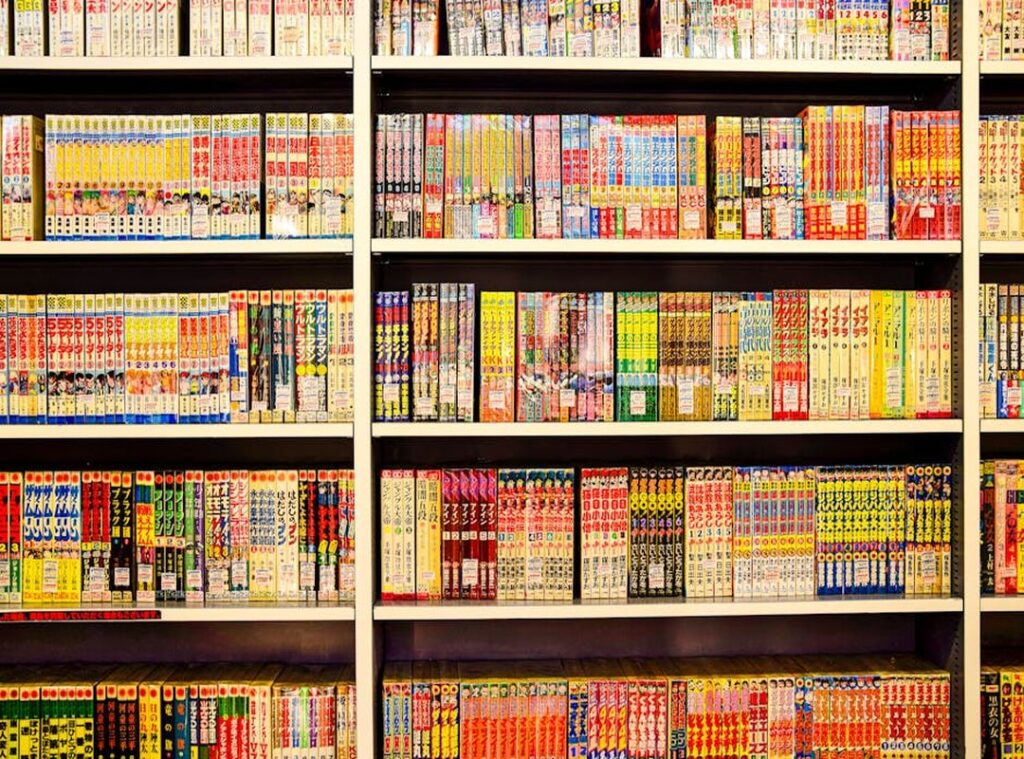
You just finished watching a popular anime and you’re hooked. Now, you want to dive into the original story in manga form. But where do you start?
It can be confusing, especially with things like reading direction and finding reliable sources. This guide is here to help. I’ll walk you through everything from basic definitions to finding your first series.
By the end, you’ll have all the readingmangainfo you need to jump right in. Trust me, it’s simpler than you think.
What Exactly Is Manga? The Core Essentials Explained
Manga, at its simplest, is the Japanese term for comics and graphic novels. It’s known for its distinct art style and cultural origins.
The Art and Reading Style
One of the most critical rules for new readers: manga is read from right-to-left, top-to-bottom. Imagine opening a book and starting from the back; that’s how you read manga. This can feel a bit strange at first, but you get used to it quickly.
The typical black-and-white art style is a traditional and stylistic choice. It allows for faster publication schedules, which means you get new content more often. This style also adds a unique visual flair that sets manga apart.
Differences from Other Comics
Manga differs from American comics and Korean manhwa in several ways. Besides the reading direction, the artistic conventions and storytelling styles are quite different. For example, American comics often use more color, while manga sticks to black and white.
Publication Process
Manga is usually published in chapters in weekly or monthly magazines. These chapters are later collected into volumes called ‘tankōbon.’ This format helps keep the story fresh and engaging, with regular updates and complete collections for those who prefer binge-reading.
Take One Piece, for instance. It started as a weekly chapter in a magazine and has since been collected into numerous tankōbon. This system keeps fans hooked and provides a steady stream of content.
Why It Matters
Understanding these basics can make your experience with manga much more enjoyable. Whether you’re diving into a new series or just curious about the format, knowing the essentials helps you appreciate the craft and the stories even more. Plus, it makes readingmangainfo a lot easier and more fun.
Where to Legually Find and Read Manga Online and Offline
Let’s get one thing straight. Using legal sources to read manga isn’t just about following the rules. It’s about supporting the mangaka and the industry that brings us these amazing stories.
You might think, “But what’s the big deal? I’m just reading.” Well, every time you choose a legal source, you’re helping to fund the next great series.
Shonen Jump, for example, offers a mix of free and premium content. You can read the latest chapters for free, but if you want access to their full library, a subscription is the way to go.
Manga Plus is another solid option. They provide a ton of free chapters, and their app is user-friendly. If you’re into Viz Manga, they have a similar model with both free and subscription-based content.
For those who prefer to own their manga, digital storefronts like BookWalker, ComiXology (Amazon), and Apple Books are great. You can buy individual volumes or complete series, and they often have sales.
If you’re more of a physical book person, major chains like Barnes & Noble and local comic shops are your best bets. Online retailers like Right Stuf Anime also offer a wide selection, and they often have deals on box sets and special editions.
Now, I know some of you might be tempted by unofficial ‘scanlation’ sites. But here’s the truth: they come with serious risks. Malware, poor translation quality, and the fact that they don’t support the artists are just a few. readingmangainfo
So, how do you know if a source is legal? Here’s a quick checklist:
– Does it have an official app?
– Is it a well-known publisher?
– Does it require payment or have ads supporting the official release?
Using readingmangainfo, you can stay updated on the latest legal sources and avoid the pitfalls of unofficial sites.
Decoding Manga: Common Genres and Terms to Know
Diving into the world of manga can be overwhelming. There are so many titles, genres, and terms that it’s easy to feel lost. Let’s break it down.
First, let’s talk about the core demographic categories. These are often mistaken for genres, but they’re actually aimed at specific age groups and genders. It’s a common confusion.
Shonen is for a young male audience. Think Dragon Ball Z—action-packed, with lots of battles and coming-of-age stories. Sailor Moon is a classic Shojo title, targeting young female readers with themes of romance, friendship, and magical adventures.
Seinen is for adult males, often featuring more mature and complex storylines. Berserk is a good example. Josei targets adult females, with more realistic and nuanced narratives.
Nana is a standout in this category.
Now, let’s look at some popular genres. Isekai is huge right now. It’s all about characters being transported to another world, like in That Time I Got Reincarnated as a Slime.
Yotsuba&! is a great Slice of Life manga, focusing on everyday experiences and simple joys. Mecha is another big one, with Mobile Suit Gundam leading the way, featuring giant robots and epic battles.
There are a few key terms you’ll come across. A mangaka is the creator of a manga. Scanlation refers to fan-made translations, which can be a lifesaver when official versions aren’t available.
And if a series goes on a hiatus, it means it’s taking a break, sometimes for months or even years. Frustrating, right?
Finding a good first series can be tough. Here’s a simple tip: start with the manga version of an anime you already love. It’s a great way to ease in.
readingmangainfo is a great resource for beginners. It breaks down these categories and genres, making it easier to find what you like. No more feeling lost.
Your Next Steps to Becoming a Manga Reader
Manga reads right-to-left, and it’s best to use legal sources. Understanding demographics helps you find what you’ll enjoy. The initial learning curve is small, and the world of stories it unlocks is massive.
Choose one of the legal apps mentioned, like Manga Plus, and read the first free chapter of a popular series like ‘Jujutsu Kaisen’ or ‘Spy x Family’ right now.
Welcome to the readingmangainfo community! Enjoy your journey into this vibrant and diverse world.
 Ask Rebecca Clarkstomes how they got into nutrition and meal planning and you'll probably get a longer answer than you expected. The short version: Rebecca started doing it, got genuinely hooked, and at some point realized they had accumulated enough hard-won knowledge that it would be a waste not to share it. So they started writing.
What makes Rebecca worth reading is that they skips the obvious stuff. Nobody needs another surface-level take on Nutrition and Meal Planning, Fitness Tips and Routines, Health and Wellness News. What readers actually want is the nuance — the part that only becomes clear after you've made a few mistakes and figured out why. That's the territory Rebecca operates in. The writing is direct, occasionally blunt, and always built around what's actually true rather than what sounds good in an article. They has little patience for filler, which means they's pieces tend to be denser with real information than the average post on the same subject.
Rebecca doesn't write to impress anyone. They writes because they has things to say that they genuinely thinks people should hear. That motivation — basic as it sounds — produces something noticeably different from content written for clicks or word count. Readers pick up on it. The comments on Rebecca's work tend to reflect that.
Ask Rebecca Clarkstomes how they got into nutrition and meal planning and you'll probably get a longer answer than you expected. The short version: Rebecca started doing it, got genuinely hooked, and at some point realized they had accumulated enough hard-won knowledge that it would be a waste not to share it. So they started writing.
What makes Rebecca worth reading is that they skips the obvious stuff. Nobody needs another surface-level take on Nutrition and Meal Planning, Fitness Tips and Routines, Health and Wellness News. What readers actually want is the nuance — the part that only becomes clear after you've made a few mistakes and figured out why. That's the territory Rebecca operates in. The writing is direct, occasionally blunt, and always built around what's actually true rather than what sounds good in an article. They has little patience for filler, which means they's pieces tend to be denser with real information than the average post on the same subject.
Rebecca doesn't write to impress anyone. They writes because they has things to say that they genuinely thinks people should hear. That motivation — basic as it sounds — produces something noticeably different from content written for clicks or word count. Readers pick up on it. The comments on Rebecca's work tend to reflect that.